

The Problem Nobody Admits at the Gym
Walk into any serious gym in Cairo, Alexandria, or anywhere in Egypt and you'll see it. The advanced guys on the cable stations — lat pulldowns, seated rows, cable flyes — working with every plate on the stack, sometimes piling towels or random objects on top just to add a little more resistance. It looks improvised because it is improvised. And it's dangerous.
Standard commercial cable machine weight stacks are designed for the general gym population. Most stacks top out somewhere between 80kg and 110kg. For beginners and intermediate lifters, that's plenty. But for anyone who's been training consistently for two or more years and built real strength, that ceiling gets hit fast — especially on big compound cable movements like lat pulldowns and seated rows where your back, lats, and rear delts can handle far more load.
The result? You're stuck doing 12, 15, even 20 reps because you physically can't add more weight. Your muscles adapt to a load range, stop receiving a meaningful growth stimulus, and progress stalls completely. You haven't gotten weaker — the machine just can't go heavier.
Why This Matters More Than You Think
Progressive overload is the single most important training principle for building muscle and strength. It means consistently increasing the demands you place on your muscles over time — through more weight, more reps, better technique, or shorter rest. Without it, your body has no reason to adapt, grow, or get stronger.
When you cap out a weight stack, you've eliminated the most direct and measurable form of progressive overload available to you: adding more weight. You can try to squeeze out more reps, but there's a limit to how much hypertrophy extra reps in a high rep range actually drive — especially when you're an experienced lifter. The research is clear: for advanced trainees, heavier loads in moderate rep ranges produce significantly better strength and size adaptations than exclusively high-rep work.
"Every week you train at a maxed-out stack without adding load, you are doing maintenance work — not growth work."
This is the silent killer of cable machine progress in Egyptian gyms. Lifters feel like they're training hard. They're sweating, they're going through the motions, they're "working out." But they're not progressing. The stimulus is the same as last week, last month, maybe even last year.
What a GymPin Actually Is
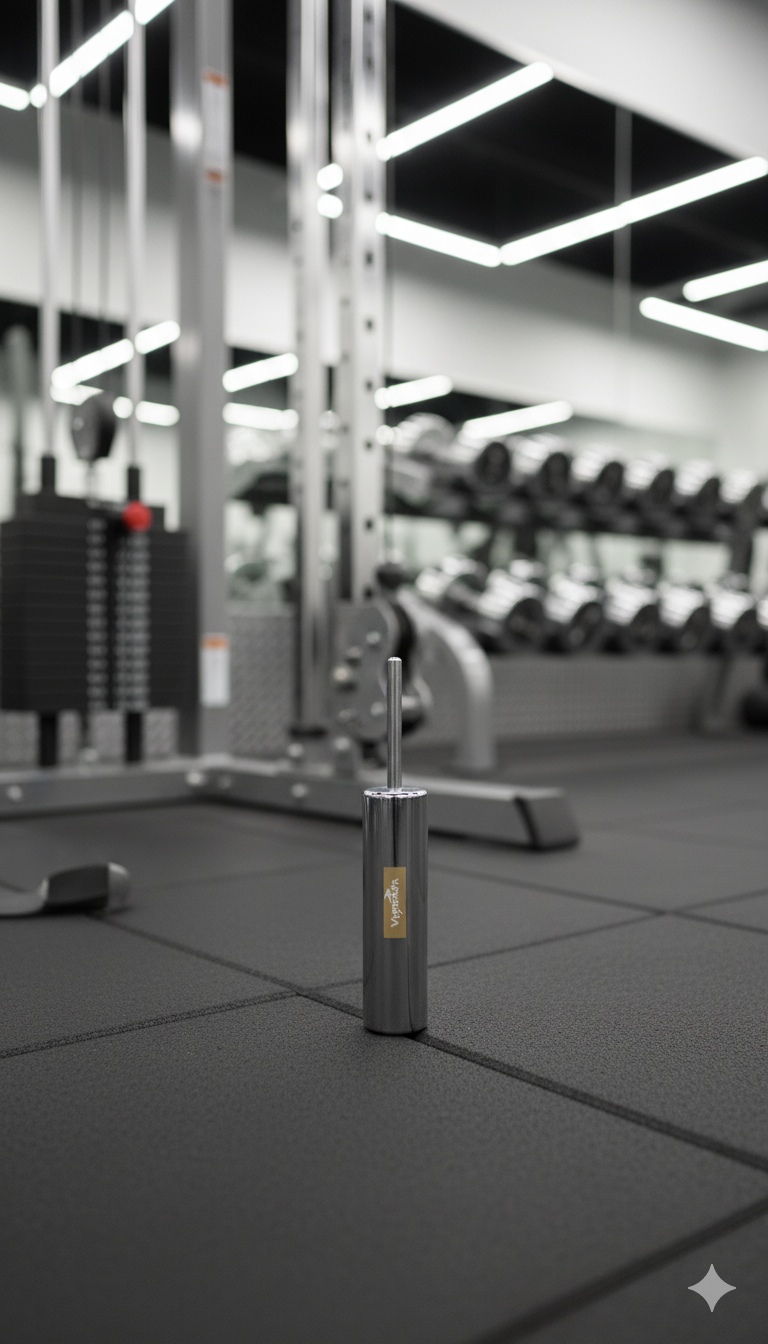
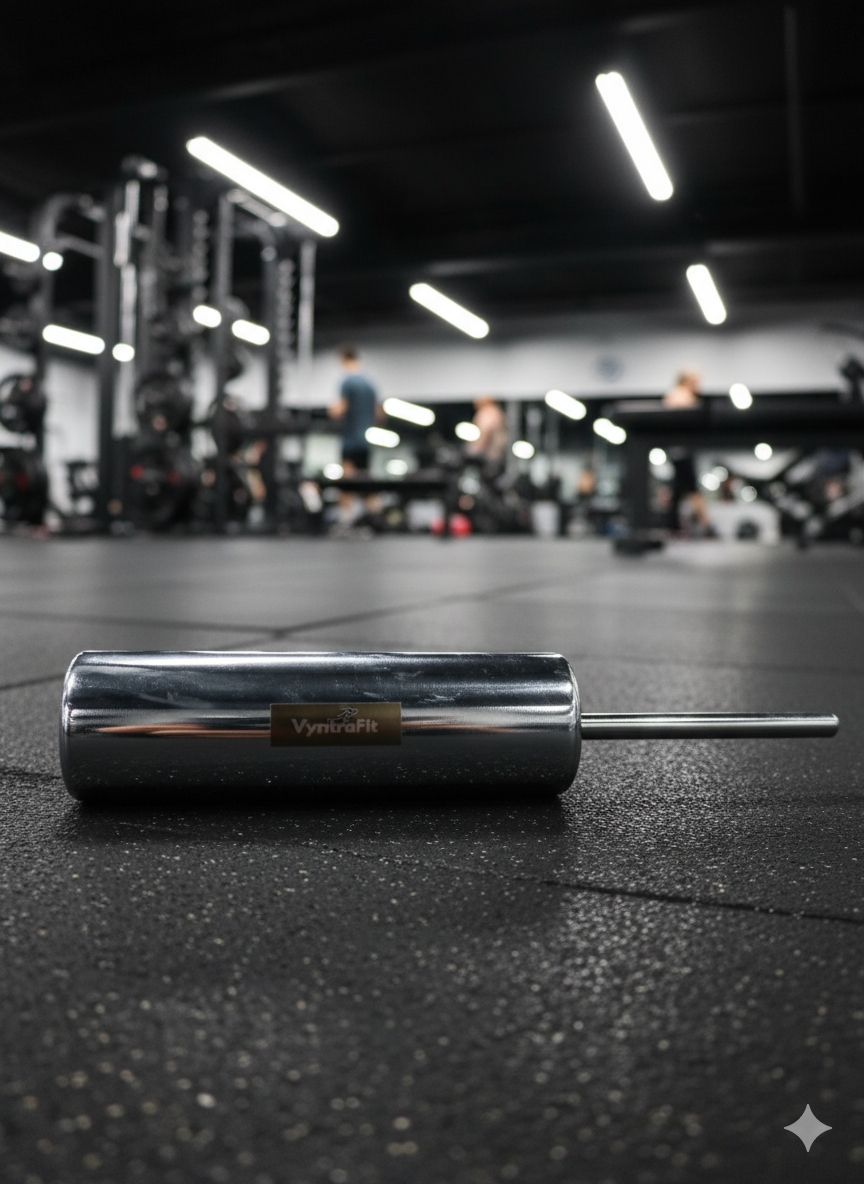
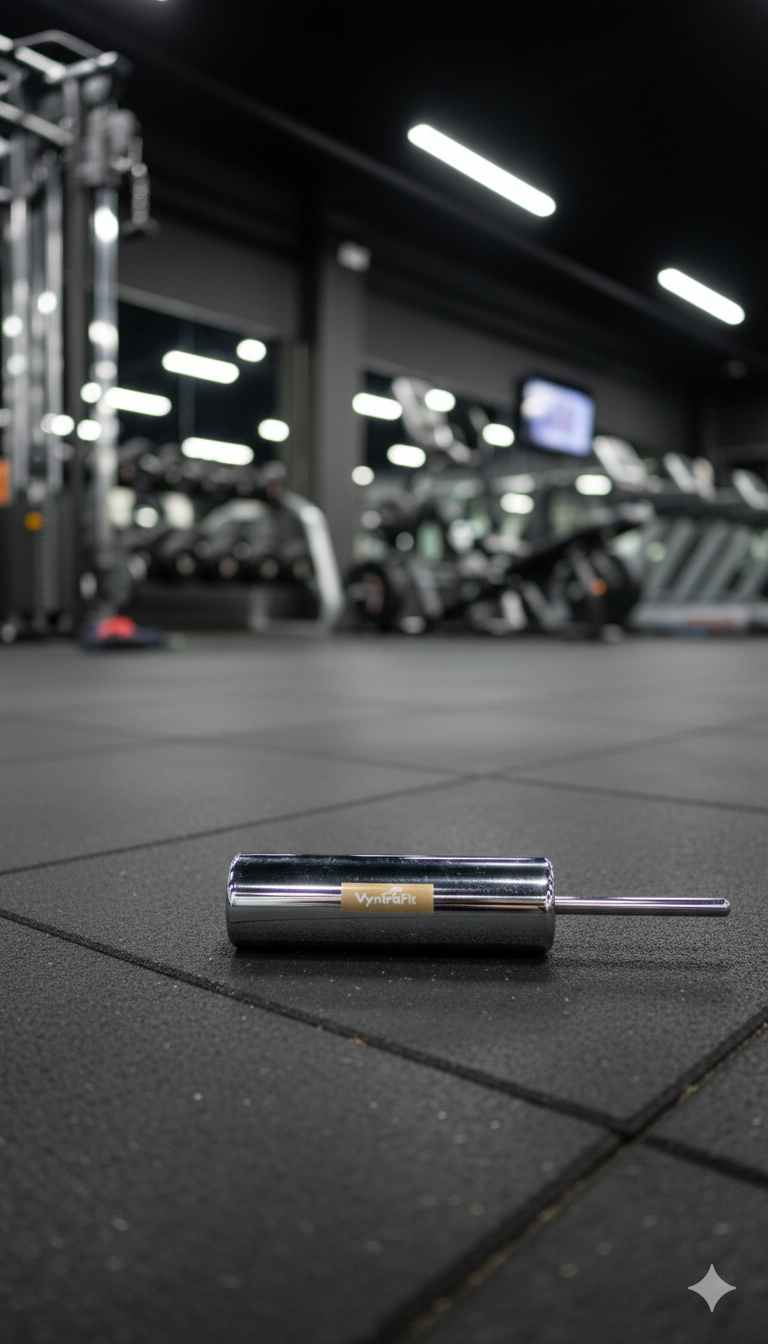
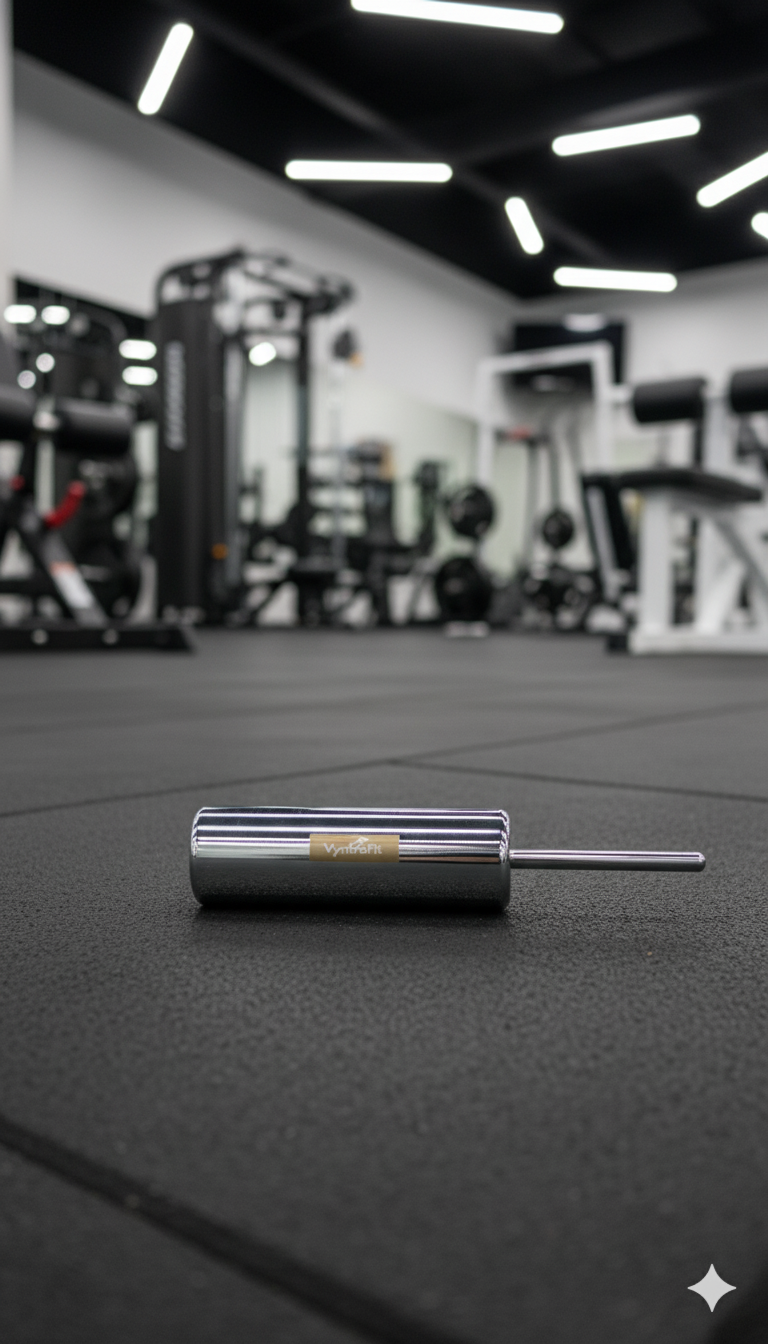
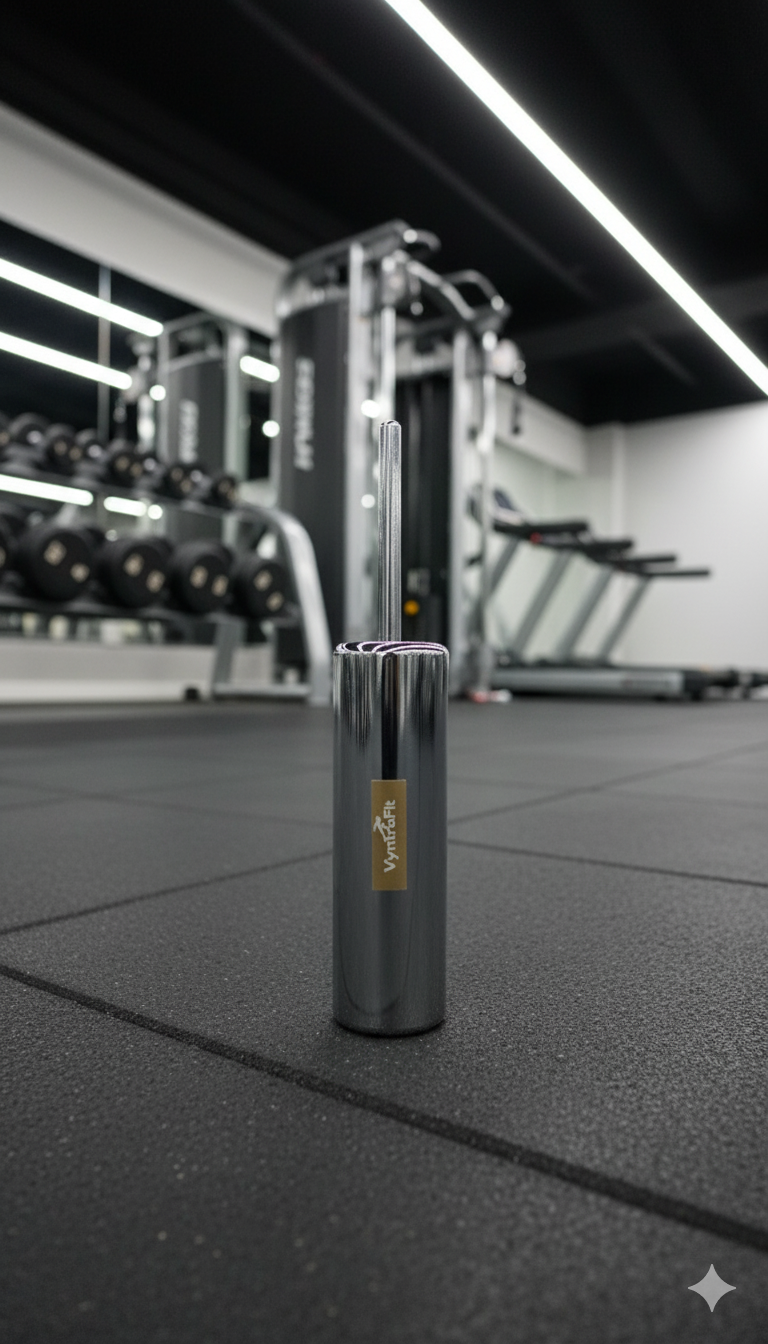
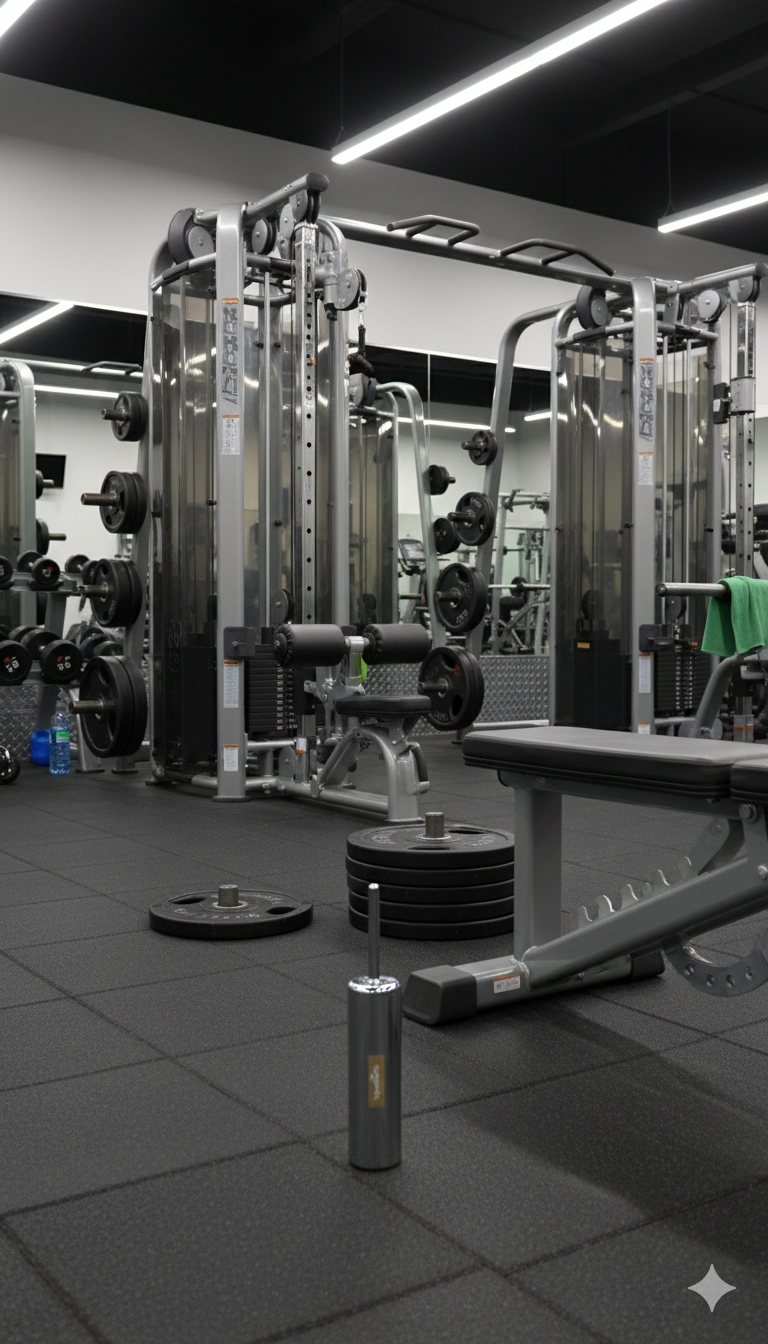
A gympin is a solid steel pin that slots into the weight stack of a cable machine. It adds to — rather than replacing — the pin already in the stack, effectively increasing the total load. The VyntraFit GymPin weighs exactly 2 kilograms of solid high-grade steel and is precision-machined to fit directly into the standard hole diameter on the weight stack.
The mechanism is simple: your cable machine's weight selector uses a pin to "select" a plate level. Every plate above that pin rides up when you pull. The gympin adds an extra 2kg on top of that existing load — meaning if you were pulling 100kg before, you now pull 102kg. Stack two gympins and you're at 104kg. It's clean, it's secure, and it's the exact same principle the machine already uses.
How It Works — Step by Step
- Insert your regular weight selector pin as normal to choose your base load
- Insert the VyntraFit GymPin into the same hole or the next available hole above your pin
- The GymPin adds 2KG of solid steel to every rep
- Use two GymPins together to add 4KG total
- Progressive overload restored — keep growing
Why 2KG Is the Perfect Increment
Two kilograms might sound small. It's not. When you're working near your maximum on a cable exercise, 2kg is a genuinely meaningful jump. Elite powerlifters compete in increments of 500g on the platform. Strength athletes know that microloading — adding small, consistent amounts of weight over time — is the most reliable method for long-term progress.
The problem with most weight stacks is they jump in increments of 5kg or even 10kg between plates. That means every time you try to step up a plate, you're adding a 5-10% load increase in one shot. For advanced lifters, that's often too big a jump to make cleanly. The result: they stay on the same weight forever rather than risking form breakdown.
A 2kg gympin bridges that gap perfectly. It lets you progress in smaller, more frequent steps — which is exactly what the science recommends for experienced trainees. You go from 90kg to 92kg. You own that. Then 94. Then you're ready to move a full plate. The progression is smooth, consistent, and sustainable.
Who This Is For
The VyntraFit GymPin is built for lifters who train seriously. If you're relatively new to the gym and haven't come close to maxing out the stack on any movement, this isn't for you yet. But if any of the following describe you, it's exactly what you need:
- You regularly hit the top of the stack on lat pulldowns, rows, or pushdowns
- You've been training consistently for 2+ years
- You feel like your cable training has plateaued despite consistent effort
- You've tried piling plates on top of the stack (dangerous — stop doing this)
- Your gym doesn't offer a heavier cable alternative for the movements you love
Is It Safe for the Machine?
Yes — when used correctly. The VyntraFit GymPin is precision-machined to the exact diameter used by commercial weight stacks. It doesn't stress the stack plates, the guide rods, or the cable mechanism any more than the machine's own plates do. The load distribution is identical to adding a regular plate.
What is dangerous is what people do without a gympin: balancing loose plates on top of the stack, using rubber bands to add load, or jerry-rigging improvised solutions that shift the weight distribution and can cause cables to jump off pulleys. The gympin is the engineered solution to a real problem — designed to be as safe as the machine itself.
That said, like any training tool, it must be used responsibly. Never exceed the machine's rated capacity. Ensure the pin is fully seated before each set. See full safety guidelines and liability disclaimer on the product page.
The Bottom Line
If you've been training hard and hitting the top of your cable machine's weight stack, you're not failing — the equipment is failing you. The weight stack was never designed for lifters at your level. A VyntraFit GymPin costs LE 1,199, weighs 2KG of solid high-grade steel, and gives you back the most important training variable you lost: the ability to add more weight and keep growing.
Stop doing maintenance work disguised as training. Order the VyntraFit GymPin today — available in 8mm and 10mm to fit your gym's machines — and shipped anywhere in Egypt.